Free shipping for orders over $200
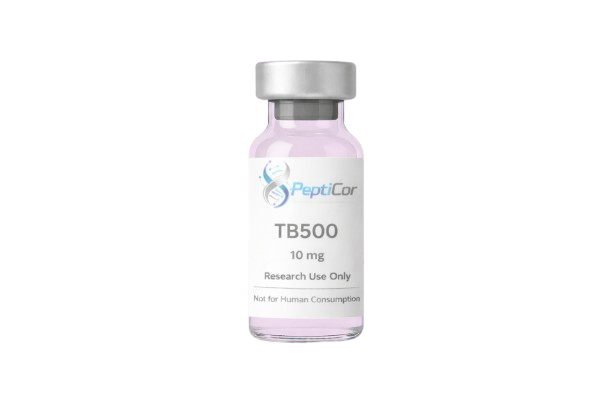
TB-500
SKU P-TB5-1
$75.00
In stock
1
Product Details
TB-500 Peptide
TB-500 (Thymosin Beta-4) is a naturally occurring peptide consisting of 43 amino acids that is present in virtually all human and animal cells. This peptide is one of the most abundant actin-binding proteins in eukaryotic cells and plays a fundamental role in cellular structure, motility, and repair processes.(1) TB-500 is distinguished by its multifunctional properties, including promotion of cell migration, angiogenesis, wound healing, and modulation of inflammatory responses. The peptide's primary mechanism involves binding to actin, a crucial component of the cellular cytoskeleton, thereby regulating actin polymerization and influencing various cellular processes dependent on cytoskeletal dynamics.
TB-500 is both a naturally occurring peptide and can be produced synthetically via solid-phase peptide synthesis or recombinant DNA technology for research applications. Researchers consider TB-500 to be a key regulator of tissue repair and regeneration, with its primary mechanism of action appearing to involve the sequestration of actin monomers and the regulation of actin polymerization dynamics.(2) By controlling the availability of polymerizable actin, TB-500 may influence cell shape, motility, and the cellular response to injury. The peptide is posited to function as a molecular switch that promotes cellular migration and tissue remodeling in response to injury or stress.
The mechanism by which TB-500 may potentially promote tissue healing and cellular migration appears to involve the stabilization of actin in its monomeric G-actin form, preventing its polymerization into F-actin filaments. This modulation of the actin cytoskeleton may enhance cellular motility, which is considered essential for various repair processes including wound healing, angiogenesis, and tissue regeneration. By facilitating cell migration, TB-500 may enable various cell types—including keratinocytes, fibroblasts, and endothelial cells—to move into damaged areas more efficiently, thereby accelerating repair processes. This action may result in enhanced healing responses across multiple tissue types in research models.
TB-500's biological activities are considered to extend far beyond simple actin binding and may play essential roles in various physiological processes, including embryonic development, tissue maintenance, and response to injury. The mechanism by which TB-500 may potentially accelerate tissue regeneration appears to involve promotion of cell proliferation, enhancement of cell survival under stress conditions, modulation of inflammatory responses, and stimulation of stem and progenitor cell differentiation. These alterations in cellular behavior and tissue-level processes may impact various physiological parameters, which are considered to be critical factors in numerous biological processes related to wound healing, tissue repair, angiogenesis, and protection against cellular injury.
Chemical Makeup
Molecular Formula: C212H350N56O78S
Molecular Weight: 4963.4 g/mol
Sequence: 43 amino acids (SDKPDMAEIEKFDKSKLKKTETQEKNPLPSKETIEQEKQAGES)
Other Known Titles: Thymosin Beta-4, Tβ4, TMSB4X
Research and Clinical Studies
TB-500 and Wound Healing
Research has been undertaken to evaluate the potential actions of TB-500 on wound healing processes in various experimental models. One study aimed to assess the peptide's role in promoting wound closure, focusing on its potential to enhance keratinocyte migration, angiogenesis, and collagen deposition at wound sites.(3) More specifically, researchers posited that TB-500's ability to promote cell migration through modulation of actin dynamics may be a key mechanism underlying its wound healing properties.
The study suggests that TB-500 may promote accelerated wound healing in research models through multiple complementary mechanisms. It is posited that TB-500 may enhance the migration of keratinocytes from wound edges, facilitating re-epithelialization of the wound surface. The peptide may also promote the migration of fibroblasts into the wound area, which are responsible for collagen synthesis and wound contraction. Additionally, TB-500 may enhance angiogenesis, promoting the formation of new blood vessels that supply oxygen and nutrients to healing tissue. These activities suggest that the peptide might facilitate more rapid and complete wound closure.
Moreover, it is mentioned that TB-500 has been studied in various contexts of tissue repair and has been evaluated for its potential to improve healing in different types of wounds, including surgical incisions, pressure ulcers, and chronic wounds. The peptide's effects on promoting cell migration appear to be particularly relevant for wound healing, as the movement of various cell types into the wound area is a critical step in the repair process. TB-500 may also influence the inflammatory phase of wound healing, potentially promoting the transition from inflammation to proliferation and remodeling phases. Studies suggest that further research is needed to fully understand the optimal application strategies and the complete range of TB-500's effects on wound healing.
TB-500 and Angiogenesis
Studies have explored various mechanisms via which TB-500 may promote angiogenesis, the formation of new blood vessels.(4) One proposed mechanism suggests that TB-500 may enhance endothelial cell migration and proliferation, both of which are essential processes in blood vessel formation. The pro-angiogenic effects observed in research models in the presence of TB-500 may be mediated by the peptide's effects on endothelial cell motility and its potential influence on angiogenic growth factors.
The peptide's effects on angiogenesis appear to involve multiple cellular processes. TB-500 may enhance the sprouting of new blood vessels from existing vasculature, a process that requires endothelial cells to migrate, proliferate, and organize into tubular structures. The peptide's ability to modulate actin dynamics is considered particularly relevant for these cellular shape changes and movements. Studies have investigated TB-500's potential to promote the formation of stable, functional blood vessels rather than just immature vascular structures. The enhanced vascularization might improve blood flow to tissues, which is critical for tissue healing, regeneration, and survival.
Additionally, TB-500 may influence the expression or activity of pro-angiogenic factors such as vascular endothelial growth factor (VEGF) and angiopoietins. The peptide's pro-angiogenic properties may be particularly beneficial in conditions where tissue healing is limited by inadequate blood supply, such as in ischemic conditions or poorly vascularized tissues. Furthermore, the possibility that TB-500 may promote the maturation and stabilization of newly formed blood vessels has been investigated. The modulation of these pathways might contribute to the formation of functional vascular networks that can effectively support tissue metabolism and healing. Studies have also examined whether TB-500 might promote collateral blood vessel formation in models of vascular insufficiency.
TB-500 and Inflammation
Research has investigated the potential anti-inflammatory and immunomodulatory effects of TB-500.(5) One study posits that TB-500 might influence inflammatory processes through multiple mechanisms, potentially affecting both the initiation and resolution phases of inflammation. Preliminary data tentatively suggests that TB-500 might potentially modulate the production of inflammatory mediators and may influence the behavior of immune cells involved in inflammatory responses.
In elaborating on these pathways, inflammation is considered a necessary component of the healing process, but excessive or prolonged inflammation can impair tissue repair and lead to chronic conditions. TB-500 is believed to potentially help regulate inflammatory responses, promoting beneficial aspects of inflammation while limiting excessive or prolonged inflammatory activity. The peptide may influence the production of cytokines, which are signaling molecules that regulate immune and inflammatory responses. Studies have suggested that TB-500 might affect the balance between pro-inflammatory and anti-inflammatory cytokines.
The mechanism by which TB-500 may affect inflammation appears to involve both direct effects on immune cells and indirect effects through modulation of tissue healing processes. Research has indicated that TB-500 might influence the migration and function of various immune cells, including neutrophils and macrophages, which play key roles in inflammatory responses. The peptide may promote the transition from inflammatory to reparative phases of healing, which is critical for successful tissue repair. Additionally, TB-500 may affect the resolution of inflammation, promoting the clearance of inflammatory cells and debris from injury sites. Some studies have investigated whether TB-500 might have protective effects in models of inflammatory diseases or conditions involving excessive inflammation. These observations suggest that TB-500 may possibly play a regulatory role in inflammatory processes, although the precise mechanisms and the contexts in which these effects are most relevant continue to be areas of active investigation.
TB-500 and Tissue Regeneration
The peptide TB-500 may have significant roles in promoting tissue regeneration across multiple organ systems, based on investigations into its effects on cell migration, proliferation, and differentiation. It is thought that TB-500 might facilitate tissue regeneration through multiple mechanisms, including enhancement of stem and progenitor cell mobilization, promotion of cell survival in damaged tissues, and modulation of the tissue microenvironment to favor regeneration.(6) These processes are considered to potentially involve regulation of growth factor signaling, enhancement of extracellular matrix remodeling, and protection against cellular apoptosis.
Research has suggested that TB-500 might particularly contribute to the regeneration of various tissues, including cardiac tissue, skeletal muscle, skin, and connective tissues. Studies have indicated that TB-500 may possibly enhance the migration of stem and progenitor cells to sites of tissue injury, which is considered a critical step in regenerative processes. The peptide may also promote the differentiation of these cells into specialized cell types needed for tissue repair. Researchers consider these observations as potential indicators of TB-500's role in coordinating regenerative responses to tissue injury.
It is posited that by promoting multiple aspects of tissue regeneration—cell migration, proliferation, survival, and differentiation—TB-500 might influence both the speed and quality of tissue repair. This may involve optimization of the cellular composition of regenerating tissue, enhancement of the structural organization of newly formed tissue, and proper integration of regenerated tissue with surrounding healthy tissue. The peptide's effects on reducing scar formation while promoting functional tissue regeneration are of particular research interest. Given the complexity of tissue regeneration and the challenges associated with achieving functional repair in many tissues, TB-500's broad spectrum of regenerative effects has attracted significant research attention. These potential effects on tissue regeneration are still under investigation and hold promise for applications in various regenerative medicine contexts.
TB-500 and Cardiac Repair
Studies have explored the potential effects of TB-500 on cardiac tissue following injury, particularly in models of myocardial infarction (heart attack). Research suggests that TB-500 may influence cardiac repair and remodeling through effects on cardiomyocyte survival, cardiac progenitor cell activation, and angiogenesis in cardiac tissue.(7) One proposed mechanism involves TB-500's ability to promote the migration of cardiac progenitor cells to sites of cardiac injury.
Investigations have indicated that TB-500 might potentially reduce the extent of cardiac damage following ischemic injury and may promote the formation of new blood vessels in the heart. The peptide's effects appear to involve enhancement of collateral blood vessel formation, which can provide alternative routes for blood flow in areas affected by coronary artery blockage. TB-500 may also influence cardiac remodeling processes, potentially limiting adverse remodeling that can lead to heart failure following myocardial infarction.
The mechanism by which TB-500 may affect cardiac repair appears to involve both direct effects on cardiac cells and indirect effects through improvement of the cardiac microenvironment following injury. Research has indicated that TB-500 might influence the survival of cardiomyocytes in areas surrounding the infarct, potentially limiting the expansion of damaged tissue. The peptide may also affect the inflammatory response in cardiac tissue following injury, potentially promoting beneficial inflammatory processes while limiting excessive inflammation that can contribute to adverse remodeling. Some studies have investigated whether TB-500 might influence cardiac function following injury or affect the development of heart failure. These potential cardioprotective and cardiac regenerative effects continue to be investigated, with researchers examining both acute effects following cardiac injury and longer-term effects on cardiac structure and function.
TB-500 and Skeletal Muscle Injury
Research has investigated the potential effects of TB-500 on skeletal muscle healing and regeneration following injury. Studies posit that TB-500 may influence multiple aspects of muscle repair, including satellite cell activation and migration, muscle fiber regeneration, and reduction of fibrotic scar formation.(8) Preliminary data tentatively suggests that TB-500 might potentially enhance the healing of various types of muscle injuries, including contusions, strains, and lacerations.
In elaborating on these pathways, skeletal muscle regeneration depends critically on satellite cells, which are muscle-specific stem cells that can proliferate and differentiate to form new muscle fibers. TB-500 is believed to potentially enhance satellite cell activity and may promote their migration to sites of muscle injury. The peptide may also influence the fusion of satellite cells to form new muscle fibers or to repair damaged fibers. Studies have suggested that TB-500 might affect the balance between muscle regeneration and fibrotic scar formation, potentially promoting functional muscle repair rather than replacement with non-functional scar tissue.
The mechanism by which TB-500 may affect muscle healing appears to involve enhancement of the cellular processes necessary for muscle regeneration while potentially limiting processes that lead to excessive fibrosis. Research has indicated that TB-500 might influence the inflammatory response following muscle injury, which plays important roles in both the clearance of damaged tissue and the activation of regenerative processes. The peptide may also affect angiogenesis in healing muscle, which is important for providing the metabolic support necessary for muscle regeneration. Some studies have investigated whether TB-500 might influence the recovery of muscle strength and function following injury or affect the prevention of re-injury. These observations suggest that TB-500 may possibly play beneficial roles in muscle healing and regeneration, although the precise mechanisms and optimal application strategies continue to be areas of active research investigation.
TB-500 and Tendon and Ligament Injuries
The peptide TB-500 may have significant applications in healing tendon and ligament injuries, based on investigations into its effects on connective tissue repair. It is thought that TB-500 might facilitate tendon and ligament healing through multiple mechanisms, including promotion of tenocyte (tendon cell) and fibroblast migration, enhancement of collagen synthesis and organization, and improvement of the biomechanical properties of healing connective tissues.(9) These processes are considered to potentially involve modulation of extracellular matrix metabolism and enhancement of the cellular response to mechanical loading.
Research has suggested that TB-500 might particularly benefit the healing of tendons and ligaments, which are notoriously slow to heal due to their limited blood supply. Studies have indicated that TB-500's pro-angiogenic properties may improve vascularization of healing tendons and ligaments, potentially accelerating the healing process. The peptide may also promote the organization of collagen fibers in healing connective tissue, which is critical for restoring the mechanical strength and function of these tissues. Researchers consider these observations as potential indicators of TB-500's value in treating connective tissue injuries.
It is posited that by promoting both the cellular and vascular aspects of tendon and ligament healing, TB-500 might influence both the speed of healing and the quality of the repaired tissue. This may involve enhancement of the tensile strength of healing tissues, improvement in the elasticity and flexibility of repaired connective tissues, and reduction in the formation of adhesions that can limit mobility. The peptide's effects on promoting cell migration may be particularly relevant for tendon and ligament healing, as the migration of repair cells into relatively avascular tissue is a limiting factor in these injuries. Some research has investigated whether TB-500 might enhance the healing of tendon-to-bone and ligament-to-bone attachments, which are critical for functional recovery. These potential effects on connective tissue healing continue to be investigated in various experimental models of tendon and ligament injury.
TB-500 and Neuroprotection
Studies have explored the potential neuroprotective effects of TB-500 in various models of neurological injury and neurodegeneration. Research suggests that TB-500 may influence neuronal survival and function through multiple mechanisms.(10) One proposed mechanism involves TB-500's potential to promote neurite outgrowth and neuronal differentiation, which are important processes in nerve development and regeneration.
Investigations have indicated that TB-500 might potentially protect neurons from various forms of injury and may promote nerve regeneration following injury. The peptide's effects appear to involve enhancement of axonal growth and potentially improvement in the remyelination of nerve fibers. TB-500 may also influence neural stem and progenitor cells, potentially promoting their differentiation into neurons and supporting cells. Some studies have investigated TB-500's potential effects in models of stroke, traumatic brain injury, and peripheral nerve injury.
The mechanism by which TB-500 may affect neuronal health and regeneration appears to involve both direct effects on neurons and indirect effects through modulation of the neural microenvironment. Research has indicated that TB-500 might influence neuroinflammatory processes, potentially promoting neuroprotective rather than neurotoxic inflammatory responses. The peptide may also affect angiogenesis in neural tissue, which could improve blood flow and oxygen delivery to injured brain or nerve tissue. Some studies have investigated whether TB-500 might influence neurotransmitter systems or affect synaptic function and plasticity. These potential neuroprotective and neuroregenerative effects continue to be investigated, with researchers examining both acute neuroprotective effects and longer-term effects on neural repair and functional recovery in various models of nervous system injury and disease.
TB-500 and Hair Growth
Research has investigated the potential effects of TB-500 on hair follicle function and hair growth. Studies posit that TB-500 may influence hair follicle cycling and may promote the transition of hair follicles from resting to growth phases.(11) Preliminary data tentatively suggests that TB-500 might potentially enhance hair growth and may affect hair follicle stem cell activity.
In elaborating on these pathways, hair follicles undergo cyclical periods of growth (anagen), regression (catagen), and rest (telogen). TB-500 is believed to potentially influence the hair follicle cycle, possibly promoting entry into or prolongation of the growth phase. The peptide may affect hair follicle stem cells and the dermal papilla cells that play key roles in regulating hair growth. Studies have suggested that TB-500 might promote hair follicle neogenesis in some contexts and may enhance the diameter and pigmentation of hair shafts.
The mechanism by which TB-500 may affect hair growth appears to involve both direct effects on hair follicle cells and indirect effects through modulation of the follicular microenvironment. Research has indicated that TB-500 might influence the migration and differentiation of hair follicle stem cells and may affect the signaling pathways that regulate the hair growth cycle. The peptide's effects on angiogenesis may also be relevant, as adequate blood supply to hair follicles is important for sustained hair growth. Some studies have investigated whether TB-500 might have applications in conditions involving hair loss or impaired hair growth. These observations suggest that TB-500 may possibly influence hair follicle biology, although the precise mechanisms and the potential therapeutic applications continue to be areas of investigation.
TB-500 peptide is available for research and laboratory purposes only. Please review our Terms and Conditions before ordering.
Save this product for later
TB-500