Free shipping for orders over $200
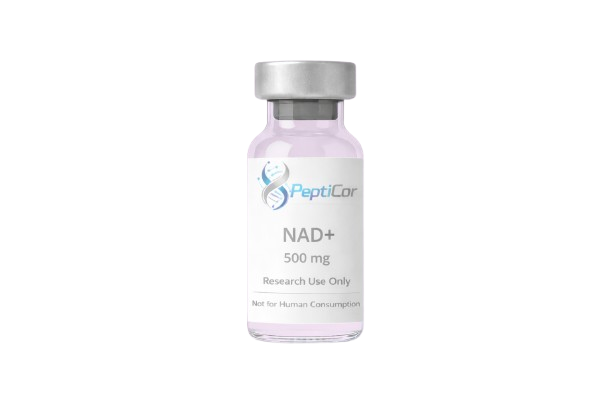
NAD+
SKU P-NAD-1
$75.00
In stock: 8 available
1
Product Details
Shipping: Please allow 7-14 days for delivery.
NAD+ (Nicotinamide Adenine Dinucleotide) is a critical coenzyme found in all living cells that plays a fundamental role in cellular metabolism, energy production, and numerous biological processes essential for life. This dinucleotide consists of two nucleotides joined through their phosphate groups, with one nucleotide containing an adenine nucleobase and the other containing nicotinamide.(1) NAD+ exists in two forms: NAD+ (oxidized) and NADH (reduced), and this redox couple is central to cellular energy metabolism and electron transfer reactions throughout the body.
NAD+ is both a naturally occurring molecule and can be produced synthetically for research applications. Researchers consider NAD+ to be one of the most important molecules in biology, with its primary functions appearing to involve serving as a cofactor in redox reactions, acting as a substrate for enzymes involved in cellular signaling, and playing crucial roles in DNA repair, gene expression, and cellular stress responses.(2) The molecule is posited to function as an essential electron carrier in metabolic pathways, particularly in glycolysis, the citric acid cycle, and oxidative phosphorylation, where it facilitates the conversion of nutrients into cellular energy in the form of ATP.
The mechanism by which NAD+ may potentially influence cellular function and health appears to involve its role as a cofactor for numerous enzymes, including sirtuins, poly(ADP-ribose) polymerases (PARPs), and CD38. These NAD+-dependent enzymes are considered to regulate diverse cellular processes including mitochondrial function, circadian rhythms, inflammation, DNA repair, and gene expression. By serving as a substrate for these enzymes, NAD+ may influence cellular metabolism, stress resistance, and longevity pathways. This action may result in enhanced cellular function and resilience across multiple organ systems in research models.
NAD+ levels are considered to decline with age in various tissues, and this decline may play a role in age-related metabolic dysfunction and cellular deterioration. The mechanism by which NAD+ may potentially support cellular health and function appears to involve maintenance of mitochondrial integrity, support of DNA repair mechanisms, regulation of circadian clock function, and modulation of inflammatory responses. These alterations in cellular metabolism and signaling may impact various physiological parameters, which are considered to be critical factors in numerous biological processes related to energy metabolism, cellular aging, metabolic health, and stress resistance.
Chemical Makeup
Molecular Formula: C21H27N7O14P2
Molecular Weight: 663.43 g/mol
Structure: Dinucleotide consisting of adenine and nicotinamide moieties
Other Known Titles: β-Nicotinamide adenine dinucleotide, Coenzyme I, DPN
Research and Clinical Studies
NAD+ and Cellular Energy Metabolism
Research has been undertaken to evaluate the central role of NAD+ in cellular energy production and metabolic function. One study aimed to assess NAD+'s function as an essential cofactor in mitochondrial energy metabolism, focusing on its role in the electron transport chain and ATP production.(3) More specifically, researchers posited that NAD+ serves as a critical electron acceptor in glycolysis and the citric acid cycle, and that its conversion to NADH enables the transfer of electrons to the mitochondrial electron transport chain for ATP synthesis.
The study suggests that NAD+ availability may influence cellular energy production capacity in research models through its fundamental role in oxidative phosphorylation. It is posited that NAD+ may be essential for the function of Complex I of the electron transport chain, where NADH donates electrons to initiate the process of oxidative phosphorylation. The NAD+/NADH ratio is considered to be a key indicator of cellular metabolic state and redox balance. These activities suggest that maintenance of adequate NAD+ levels might be critical for optimal mitochondrial function and cellular energy production.
Moreover, it is mentioned that NAD+ has been studied extensively in the context of metabolic disorders and mitochondrial dysfunction, and has been evaluated for its potential role in supporting cellular energetics under various stress conditions. The molecule's function in facilitating the conversion of nutrients into usable cellular energy appears to be fundamental to all metabolic processes. NAD+ may also influence metabolic flexibility, which is the ability of cells to adapt their fuel utilization based on substrate availability. Studies suggest that further research is needed to fully understand the complex relationships between NAD+ metabolism, cellular energetics, and overall metabolic health.
NAD+ and Sirtuins
Studies have explored the relationship between NAD+ and sirtuins, a family of NAD+-dependent deacetylase enzymes that play crucial roles in cellular regulation.(4) One proposed mechanism suggests that NAD+ serves as an essential cofactor for sirtuin activity, and that sirtuin function is directly dependent on NAD+ availability. The various biological effects associated with sirtuins observed in research models may be mediated by adequate NAD+ levels to support sirtuin enzymatic activity.
Sirtuins are considered to regulate numerous cellular processes through their deacetylase activity, which removes acetyl groups from various protein substrates including histones and metabolic enzymes. There are seven mammalian sirtuins (SIRT1-7), each with distinct cellular locations and functions. SIRT1, located primarily in the nucleus, is considered to regulate gene expression and has been extensively studied for its potential roles in longevity and metabolic health. SIRT3, located in mitochondria, may regulate mitochondrial metabolism and oxidative stress responses. The activity of these enzymes is directly coupled to NAD+ consumption, as NAD+ is cleaved during the deacetylation reaction.
Additionally, the interaction between NAD+ levels and sirtuin activity suggests a mechanism where cellular NAD+ availability might influence multiple aspects of cellular function through sirtuin-mediated protein modifications. By regulating sirtuin activity, NAD+ might potentially affect gene expression patterns, metabolic enzyme function, mitochondrial biogenesis, and cellular stress responses. Furthermore, the possibility that NAD+ decline with age may limit sirtuin function has been investigated, with some researchers proposing that maintaining NAD+ levels might support sirtuin activity throughout the lifespan. The modulation of these pathways might enhance cellular adaptation to metabolic and environmental stresses. Studies have also examined the relationship between NAD+, sirtuins, and various aging-related processes.
NAD+ and DNA Repair
Research has investigated the critical role of NAD+ in DNA repair mechanisms, particularly through its function as a substrate for poly(ADP-ribose) polymerases (PARPs).(5) One study posits that PARPs utilize NAD+ to synthesize poly(ADP-ribose) chains that facilitate DNA repair processes. Preliminary data tentatively suggests that NAD+ availability might influence the efficiency of DNA repair mechanisms and cellular responses to DNA damage.
In elaborating on these pathways, PARPs are believed to be among the primary consumers of cellular NAD+. When DNA damage occurs, PARPs are rapidly activated and use NAD+ as a substrate to create poly(ADP-ribose) polymers on target proteins involved in DNA repair. This process, called PARylation, is considered to be essential for efficient DNA damage response and repair. The consumption of NAD+ by PARPs can be substantial, particularly under conditions of significant DNA damage, potentially depleting cellular NAD+ pools.
The mechanism by which NAD+ availability may affect DNA repair capacity appears to involve the balance between NAD+ synthesis, consumption by PARPs and other NAD+-dependent enzymes, and overall cellular NAD+ levels. Research has indicated that insufficient NAD+ might limit PARP activity and potentially compromise DNA repair efficiency. The relationship between NAD+ metabolism and genomic stability is considered to be particularly relevant in the context of aging, as both DNA damage and NAD+ levels tend to increase and decrease respectively with age. Some studies have investigated whether strategies to maintain NAD+ levels might support DNA repair capacity and genomic integrity. These observations suggest that NAD+ may play a crucial role in maintaining genomic stability, although the precise mechanisms and the implications for cellular health continue to be areas of active investigation.
NAD+ and Aging
The relationship between NAD+ and aging has been extensively investigated, with research suggesting that NAD+ levels decline with age in various tissues and that this decline may contribute to age-related physiological changes. Studies have explored whether this age-related NAD+ decline might affect multiple aging-related processes.(6) It is thought that NAD+ might influence aging through its roles in energy metabolism, sirtuin activity, DNA repair, and mitochondrial function, all of which are considered to be affected by the aging process.
Research has suggested that the decline in NAD+ levels with age might contribute to mitochondrial dysfunction, reduced cellular energy production, decreased sirtuin activity, and impaired stress responses. Studies have indicated that NAD+ levels may decrease by as much as 50% or more in some tissues between youth and old age. This decline is believed to potentially result from both decreased NAD+ synthesis and increased NAD+ consumption by various enzymes. Researchers consider these observations as potential indicators of NAD+'s role in the biology of aging.
It is posited that by maintaining NAD+ levels, it might be possible to support various cellular functions that tend to decline with age. This may involve preservation of mitochondrial function, support of sirtuin-mediated beneficial gene expression changes, maintenance of DNA repair capacity, and support of cellular stress resistance. The potential effects of NAD+ on multiple aging-related pathways have generated significant research interest, as interventions that affect multiple aspects of aging might have broader impacts than those targeting single pathways. Some research has investigated whether various NAD+ precursors might effectively raise NAD+ levels in aged organisms and whether such increases correlate with improvements in age-related functional parameters. Given the complexity of aging and its multifactorial nature, NAD+'s potential to influence multiple aging-related processes simultaneously is of particular research interest. These potential effects on aging processes are still under investigation and hold promise for further elucidation in longevity research.
NAD+ and Mitochondrial Function
The coenzyme NAD+ may have particularly significant roles in mitochondrial biology and function, based on investigations into its multiple functions within these cellular organelles. It is thought that NAD+ might influence mitochondrial health through its roles in the electron transport chain, mitochondrial enzyme regulation, and mitochondrial stress responses.(7) These processes are considered to potentially involve regulation of oxidative phosphorylation, mitochondrial biogenesis, and mitochondrial quality control mechanisms.
Research has suggested that NAD+ might be particularly important for mitochondrial function due to its role as a cofactor for numerous mitochondrial enzymes. Studies have indicated that mitochondrial NAD+ pools may be distinct from cytoplasmic NAD+ pools and that maintenance of mitochondrial NAD+ levels may be critical for mitochondrial health. Mitochondrial sirtuins, particularly SIRT3, require NAD+ for their activity and are considered to play important roles in regulating mitochondrial metabolism and protecting against oxidative stress. Researchers consider these observations as potential indicators of NAD+'s central role in mitochondrial biology.
It is posited that by supporting mitochondrial NAD+ levels, it might be possible to maintain optimal mitochondrial function, which is critical for cellular energy production and overall cellular health. This may involve support of efficient electron transport chain function, regulation of mitochondrial enzyme activities, maintenance of mitochondrial membrane potential, and protection against mitochondrial oxidative stress. The peptide's effects on mitochondrial dynamics, including fission and fusion processes, have also been investigated. Given the central role of mitochondria in cellular metabolism and the implications of mitochondrial dysfunction in various pathological conditions and aging, NAD+'s effects on mitochondrial health are of significant research interest. Some studies have investigated whether interventions that increase NAD+ levels might improve mitochondrial function in various experimental models. These potential effects on mitochondrial biology continue to be investigated in various contexts of metabolic health and disease.
NAD+ and Neurological Function
Studies have explored the potential effects of NAD+ on neurological health and function, given the high energy demands of neural tissue and the importance of NAD+ in cellular energetics. Research suggests that NAD+ may influence neuronal function through effects on energy metabolism, neuroprotection, and synaptic function.(8) One proposed mechanism involves NAD+'s role in supporting the high metabolic demands of neurons and in regulating NAD+-dependent enzymes that influence neuronal health.
Investigations have indicated that NAD+ levels in the brain may decline with age and that this decline might be associated with various aspects of neurological aging. The brain's high energy requirements make it particularly dependent on efficient mitochondrial function and adequate NAD+ availability for energy production. NAD+ may also influence neuronal function through sirtuin-mediated effects on gene expression, neuronal plasticity, and stress resistance. Additionally, PARPs play important roles in neuronal DNA repair and cellular stress responses, and their function is directly dependent on NAD+ availability.
The mechanism by which NAD+ may affect neurological function appears to involve both support of neuronal energy metabolism and regulation of pathways involved in neuroprotection and neuronal resilience. Research has indicated that NAD+ might influence various aspects of brain function including synaptic plasticity, neurotransmitter synthesis and release, and neuronal survival under stress conditions. Some studies have investigated whether maintaining NAD+ levels in the brain might support cognitive function or provide neuroprotection in various experimental models of neurological stress or injury. The relationship between NAD+ metabolism and neurodegenerative processes is an active area of research investigation. These potential effects on neurological health continue to be investigated, with researchers examining both the role of NAD+ in normal brain aging and its potential relevance to various neurological conditions.
NAD+ and Cardiovascular Health
Research has investigated the potential effects of NAD+ on cardiovascular function and health. Studies posit that NAD+ may influence cardiovascular physiology through effects on cardiac metabolism, vascular function, and cardiac stress responses.(9) Preliminary data tentatively suggests that NAD+ might play important roles in maintaining cardiac function and vascular health through its fundamental metabolic functions and its role as a cofactor for cardioprotective enzymes.
In elaborating on these pathways, the heart is believed to be one of the most metabolically active organs, with extremely high energy demands that require efficient mitochondrial function and adequate NAD+ availability. Cardiac tissue relies heavily on oxidative metabolism for energy production, making NAD+-dependent metabolic pathways particularly critical for cardiac function. Studies have suggested that NAD+ levels in cardiac tissue may decline with age and that this decline might affect cardiac metabolic efficiency and stress resistance.
The mechanism by which NAD+ may affect cardiovascular health appears to involve support of cardiac energy metabolism, regulation of cardiac sirtuins that influence cardiac gene expression and metabolism, and potential effects on vascular endothelial function. Research has indicated that SIRT1 and SIRT3 may play important roles in cardiac protection and that their activity is dependent on NAD+ availability. Additionally, NAD+ may influence cardiac responses to ischemic stress and may affect cardiac remodeling processes. Some studies have investigated whether interventions that increase cardiac NAD+ levels might improve cardiac function or provide cardioprotection in various experimental models. Vascular endothelial cells also require NAD+ for their metabolic functions, and NAD+ may influence vascular health through effects on endothelial metabolism and function. These observations suggest that NAD+ may play important roles in cardiovascular health, although the precise mechanisms and therapeutic implications continue to be areas of active research investigation.
NAD+ and Metabolic Health
The coenzyme NAD+ may have extensive effects on whole-body metabolic health, based on investigations into its roles in various metabolic tissues and pathways. It is thought that NAD+ might influence metabolic regulation through effects on liver metabolism, skeletal muscle function, adipose tissue biology, and pancreatic function.(10) These processes are considered to potentially involve regulation of glucose and lipid metabolism, insulin sensitivity, and energy expenditure.
Research has suggested that NAD+ levels in metabolic tissues may decline with age and metabolic stress, and that this decline might contribute to metabolic dysfunction. Studies have indicated that NAD+ may influence hepatic metabolism through effects on lipid synthesis and oxidation, gluconeogenesis, and mitochondrial function in liver cells. In skeletal muscle, NAD+ may affect oxidative metabolism, mitochondrial biogenesis, and muscle fiber characteristics. In adipose tissue, NAD+ may influence adipocyte function, thermogenesis in brown adipose tissue, and the metabolic health of white adipose tissue. Researchers consider these observations as potential indicators of NAD+'s broad effects on metabolic regulation.
It is posited that by supporting NAD+ levels in metabolic tissues, it might be possible to influence multiple aspects of metabolic health. This may involve improvement in insulin sensitivity, enhancement of mitochondrial function in metabolic tissues, modulation of lipid metabolism, and support of healthy adipose tissue function. The potential effects of NAD+ on metabolic flexibility—the ability to efficiently switch between different fuel sources—have also been investigated. Some research has examined whether NAD+ supplementation approaches might influence metabolic parameters in various experimental models of metabolic dysfunction. Given the central role of NAD+ in cellular metabolism and the prevalence of metabolic disorders, NAD+'s potential effects on metabolic health are of considerable research interest. These potential metabolic effects continue to be investigated in various contexts, with researchers examining both the mechanisms by which NAD+ influences metabolism and the potential applications of NAD+-boosting strategies in metabolic research.
NAD+ and Circadian Rhythm
Studies have explored the bidirectional relationship between NAD+ and circadian rhythms, the approximately 24-hour cycles that regulate numerous physiological processes. Research suggests that NAD+ metabolism and circadian clock function are intimately connected.(11) One proposed mechanism involves the regulation of NAD+ synthesis enzymes by circadian clock proteins, creating rhythmic fluctuations in cellular NAD+ levels throughout the day and night.
Investigations have indicated that NAD+ levels oscillate with circadian periodicity in various tissues, with peaks and troughs occurring at specific times of day. These rhythmic changes in NAD+ are believed to potentially influence the activity of NAD+-dependent enzymes, particularly sirtuins, creating a link between cellular metabolism and circadian timing. The core circadian clock machinery includes proteins that regulate each other's expression in transcriptional-translational feedback loops, and some of these clock proteins are substrates for sirtuin-mediated modifications that require NAD+.
The mechanism by which NAD+ may influence circadian function appears to involve both the rhythmic availability of NAD+ as a cofactor for clock-regulatory enzymes and the feedback effects of NAD+-dependent enzymes on clock gene expression. Research has indicated that disruption of NAD+ metabolism might affect circadian rhythm robustness and that circadian misalignment might influence NAD+ metabolism. This reciprocal relationship suggests that NAD+ may play a role in coordinating cellular metabolism with circadian timing. Some studies have investigated whether interventions affecting NAD+ metabolism might influence circadian rhythm characteristics or whether optimizing the timing of such interventions based on circadian phase might affect their efficacy. The relationship between NAD+, circadian rhythms, and metabolic health is an emerging area of research interest. These potential effects on circadian biology continue to be investigated, with implications for understanding how metabolism and timing systems are integrated at the cellular level.
NAD+ peptide is available for research and laboratory purposes only. Please review our Terms and Conditions before ordering.
Save this product for later
NAD+