Free shipping for orders over $200
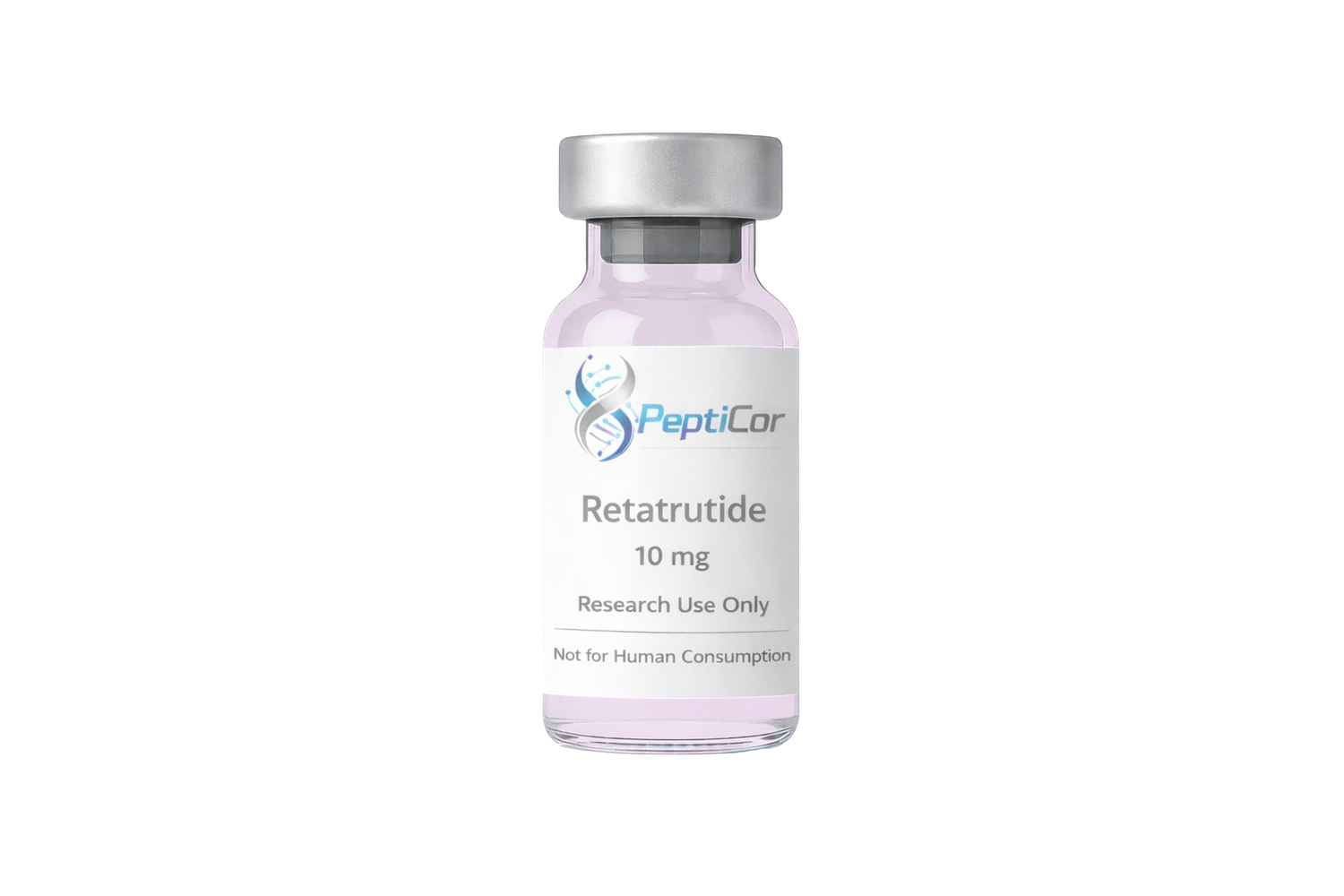
Retatrutide
SKU P-RTA1-1
$70.00
In stock
1
Product Details
Retatrutide Peptide
Retatrutide is a synthetic peptide that functions as a triple agonist of glucose-dependent insulinotropic polypeptide (GIP), glucagon-like peptide-1 (GLP-1), and glucagon (GCG) receptors. This peptide consists of 39 amino acids and represents a novel approach to metabolic regulation through simultaneous activation of three complementary hormone receptor systems.(1) The peptide is based on the native GIP sequence with specific modifications engineered to enable triple receptor activation, including strategic amino acid substitutions and a C20 fatty di-acid moiety attached via a linker to enhance albumin binding and extend its half-life.
Retatrutide is a synthetic peptide, produced via recombinant DNA technology and advanced peptide synthesis methodologies. Researchers consider its unique triple agonist structure to be responsible for its ability to activate GIP, GLP-1, and glucagon receptors with balanced affinities, a feature that distinguishes it from both single and dual incretin receptor agonists.(2) The structural modifications incorporated into retatrutide result in enhanced resistance to degradation by dipeptidyl peptidase-4 (DPP-4) and increased binding to serum albumin, thereby extending its pharmacokinetic profile and enabling once-weekly dosing in research protocols.
GIP, GLP-1, and glucagon are metabolic hormones that are considered to play distinct but complementary roles in energy homeostasis, glucose metabolism, and body weight regulation. The mechanism by which retatrutide may potentially interact with all three receptor types appears to involve binding to GIP receptors on pancreatic beta cells and adipocytes, GLP-1 receptors on pancreatic beta cells and various central and peripheral tissues, and glucagon receptors on hepatocytes and adipose tissue. This triple activation may result in synergistic effects on insulin secretion, energy expenditure, and metabolic regulation that extend beyond the capabilities of dual agonist approaches in research models.
The three receptor systems, all G-protein coupled receptors, are considered to not only regulate different aspects of metabolism but may also play essential roles in coordinating energy balance, substrate utilization, and body composition. The mechanism by which retatrutide may potentially activate GIP, GLP-1, and glucagon receptors appears to involve conformational changes in the receptors that trigger distinct but complementary intracellular signaling cascades. While GIP and GLP-1 receptor activation may primarily influence insulin secretion and appetite regulation, glucagon receptor activation may contribute to increased energy expenditure and enhanced lipid oxidation. These alterations in metabolic signaling may impact various physiological parameters, which are considered to be critical factors in numerous biological processes related to energy balance, glucose metabolism, lipid metabolism, and body weight regulation.
Chemical Makeup
Molecular Formula: C223H348N52O68
Molecular Weight: 4825.6 g/mol
Other Known Titles: LY3437943, Triple agonist, GIP/GLP-1/GCG receptor agonist
Research and Clinical Studies
Retatrutide and Energy Expenditure
Research has been undertaken to evaluate the potential actions of retatrutide on energy metabolism and expenditure in various experimental models. One study aimed to assess the peptide's role in promoting energy expenditure through its triple receptor agonism, focusing on the contribution of glucagon receptor activation to metabolic rate.(3) More specifically, researchers posited that retatrutide's activation of glucagon receptors, in addition to GIP and GLP-1 receptors, may produce unique effects on energy expenditure that are not observed with dual agonist approaches.
The study suggests that retatrutide may promote increases in energy expenditure in research models through multiple complementary mechanisms. It is posited that glucagon receptor activation may enhance hepatic glucose production during fasting states while simultaneously increasing energy expenditure through effects on thermogenesis and fatty acid oxidation. When combined with the appetite-suppressing effects of GLP-1 receptor activation and the metabolic effects of GIP receptor activation, this may create a particularly favorable profile for weight management. These activities suggest that the peptide might facilitate significant changes in energy balance through the coordinated activation of three distinct hormonal pathways. Moreover, it is mentioned that triple agonist approaches, particularly retatrutide, have been studied in various contexts of metabolic regulation and have been evaluated for their potential in simultaneously modulating multiple aspects of energy metabolism. The retatrutide peptide, by activating GIP, GLP-1, and glucagon receptors, possibly harnesses three complementary biological pathways, although studies suggest that further research is needed to fully elucidate the precise mechanisms underlying the synergistic effects on energy expenditure and their potential applicability in metabolic research.
Retatrutide and Body Weight Regulation
Studies have explored various mechanisms via which retatrutide may influence body weight and body composition with potentially greater magnitude than both single and dual incretin receptor agonists.(4) One proposed mechanism suggests that retatrutide may interact with metabolic hormone receptors in multiple tissues throughout the body, including the central nervous system, adipose tissue, liver, and gastrointestinal tract. The pronounced effects on body weight observed in research models in the presence of retatrutide may be mediated by the combined activation of GIP, GLP-1, and glucagon receptors in these various tissues.
The interaction with GLP-1 receptors in the central nervous system may influence satiety signaling and appetite regulation, potentially reducing food intake. GIP receptor activation in adipose tissue might affect nutrient partitioning and lipid metabolism. The addition of glucagon receptor activation may provide a unique contribution to weight loss by potentially increasing energy expenditure through enhanced thermogenesis and by promoting lipid mobilization and oxidation in adipose tissue and liver. This triple receptor engagement might create synergistic effects that combine reduced caloric intake with increased energy expenditure, a combination believed to be particularly effective for body weight reduction. These modulations might affect feeding behavior, energy intake, metabolic rate, and substrate utilization, which are essential components of body weight and body composition regulation.
Additionally, the peptide's potential effects on both white and brown adipose tissue suggest a mechanism where retatrutide might influence not only the amount of adipose tissue but also its metabolic activity. Glucagon receptor activation in adipose tissue might enhance lipolysis and fatty acid oxidation, while GIP receptor activation might modulate adipocyte function and insulin sensitivity. The combined effects of reduced appetite through GLP-1 pathways, enhanced energy expenditure through glucagon pathways, and improved metabolic efficiency through GIP pathways may create a comprehensive approach to weight management. Furthermore, the possibility that retatrutide may preferentially promote loss of fat mass while potentially preserving lean body mass has been investigated in research models. These pathways are considered to often regulate metabolic processes related to energy homeostasis, body composition, and metabolic health. The modulation of these pathways by retatrutide might enhance the physiological responses associated with substantial weight reduction and improved body composition in research models.
Retatrutide and Glucose Metabolism
Research has investigated the potential effects of retatrutide on glucose homeostasis and glycemic control.(5) One study posits that retatrutide might influence glucose metabolism through the integrated activation of three hormone receptor systems with complementary roles in glucose regulation. Preliminary data tentatively suggests that retatrutide might potentially enhance glucose-stimulated insulin secretion through GIP and GLP-1 receptor activation while modulating hepatic glucose production through glucagon receptor activation in a context-dependent manner.
In elaborating on these pathways, the three receptor systems are believed to play coordinated roles in maintaining glucose homeostasis. GLP-1 and GIP receptor activation may enhance insulin secretion from pancreatic beta cells in response to elevated glucose levels, potentially improving glycemic control during postprandial periods. Simultaneously, glucagon receptor activation may contribute to glucose metabolism through effects on hepatic glucose production and potentially through modulation of insulin sensitivity in peripheral tissues. Studies have suggested that the glucagon receptor component of retatrutide's action may provide metabolic benefits that complement the insulinotropic effects of GIP and GLP-1 receptor activation.
The balance of effects across the three receptor systems appears to be carefully calibrated in retatrutide's design. While glucagon typically promotes hepatic glucose production, the simultaneous activation of GLP-1 receptors may modulate this effect, potentially resulting in improved overall glycemic control without excessive glucose elevation. The triple receptor activation may therefore provide a more comprehensive approach to glucose metabolism than dual agonist strategies. These observations suggest that retatrutide may possibly play a sophisticated role in glucose homeostasis, although the precise mechanisms by which the three receptor activations are integrated and the relative contributions of each pathway under different metabolic conditions continue to be areas of active investigation.
Retatrutide and Lipid Metabolism
The peptide retatrutide may have significant roles in modulating lipid metabolism, based on investigations into the effects of triple receptor activation on lipid handling in various tissues. It is thought that retatrutide might influence lipid metabolism through multiple complementary mechanisms involving GIP receptor effects on adipose tissue, GLP-1 receptor effects on hepatic lipid metabolism, and glucagon receptor effects on lipid oxidation.(6) These processes are considered to potentially involve modulation of lipolysis, fatty acid oxidation, lipid synthesis, and lipid transport.
Research has suggested that glucagon receptor activation might particularly contribute to enhanced lipid oxidation. Studies have indicated that retatrutide may possibly promote fatty acid oxidation in liver and adipose tissue through glucagon receptor signaling pathways. The activation of glucagon receptors may enhance the expression of genes involved in fatty acid oxidation and may increase the utilization of lipids as an energy substrate. When combined with the metabolic effects of GIP and GLP-1 receptor activation, this may result in comprehensive improvements in lipid metabolism. Researchers consider these observations as potential indicators of beneficial effects on lipid homeostasis.
It is posited that by activating all three receptor systems, retatrutide might influence lipid metabolism in a coordinated manner that promotes lipid mobilization and oxidation while potentially reducing lipid synthesis and accumulation. This may involve enhancement of lipolysis in adipose tissue, increased hepatic fatty acid oxidation, reduced de novo lipogenesis, and improved VLDL metabolism. The peptide's effects on body weight and insulin sensitivity may also indirectly contribute to improvements in lipid parameters. Given the complexity of lipid metabolism and the multiple tissues and pathways involved, it is also possible that retatrutide may interact with other metabolic processes that contribute to overall lipid homeostasis. These potential interactions and their effects on various lipid parameters are still under investigation and hold promise for further elucidation in future research.
Retatrutide and Hepatic Function
Studies have explored the potential effects of retatrutide on hepatic metabolism and liver health in various experimental models. Research suggests that retatrutide may influence hepatic function through its triple agonist mechanism, potentially affecting hepatic lipid metabolism, glucose production, and markers of liver injury.(7) One proposed mechanism involves the combined effects of glucagon receptor activation on hepatic fatty acid oxidation, GLP-1 receptor effects on hepatic lipogenesis, and systemic metabolic improvements mediated through all three receptor systems.
Investigations have indicated that retatrutide might potentially reduce hepatic lipid content and may influence the expression of genes involved in both lipid synthesis and oxidation in the liver. The peptide's effects on hepatic steatosis in research models appear to involve multiple synergistic pathways. Glucagon receptor activation may particularly contribute to enhanced hepatic fatty acid oxidation and increased lipid mobilization from the liver. GLP-1 receptor activation may help reduce hepatic lipogenesis and could influence hepatic insulin sensitivity. The combined receptor activation may result in a favorable hepatic metabolic profile characterized by reduced lipid accumulation and potentially improved markers of liver function.
The mechanism by which retatrutide may affect hepatic health appears to involve both direct receptor-mediated effects on hepatocytes and indirect effects resulting from improvements in systemic metabolism, including substantial weight loss, improved insulin sensitivity, and enhanced whole-body lipid oxidation. Studies have suggested that the triple agonist approach may provide superior benefits for hepatic steatosis compared to dual agonist strategies, potentially due to the added contribution of glucagon receptor-mediated enhancement of hepatic lipid oxidation. Additionally, retatrutide may influence hepatic inflammatory processes and could affect markers of hepatocellular injury in experimental models of metabolic liver disease. These potential hepatoprotective properties of retatrutide continue to be investigated, with researchers examining the peptide's effects on hepatic histology, liver enzyme levels, and markers of hepatic inflammation, fibrosis, and metabolic function in different research models.
Retatrutide and Cardiovascular Parameters
Research has investigated the potential cardiovascular effects of retatrutide and its actions on various cardiovascular risk markers and functions. Studies posit that the triple receptor activation may provide cardiovascular benefits through multiple mechanisms.(8) Preliminary data tentatively suggests that retatrutide might potentially affect cardiovascular outcomes through direct effects on cardiovascular tissues expressing GIP, GLP-1, and glucagon receptors, as well as through indirect effects mediated by improvements in metabolic risk factors such as body weight, glycemic control, and lipid profiles.
In elaborating on these pathways, all three receptor systems are believed to potentially influence cardiovascular physiology. GLP-1 receptor activation has been associated with various cardiovascular protective mechanisms, including potential improvements in endothelial function, blood pressure reduction, and anti-inflammatory effects. GIP receptor activation may contribute to cardiovascular health through effects on lipid metabolism and potential direct effects on vascular tissues. Glucagon receptor activation, while primarily associated with metabolic effects, may also influence cardiovascular function through modulation of cardiac metabolism and potentially through effects on blood pressure regulation.
The combined activation of the three receptor systems by retatrutide may therefore provide comprehensive cardiovascular benefits that extend beyond those achievable with single or dual agonist approaches. Research has suggested that the substantial weight loss associated with retatrutide treatment may be a major contributor to cardiovascular risk reduction, as obesity is a significant risk factor for cardiovascular disease. Additionally, improvements in glycemic control, lipid profiles, and blood pressure that may result from retatrutide treatment could contribute to overall cardiovascular health. Studies have investigated whether retatrutide might influence markers of cardiac function, vascular health, and cardiovascular inflammation in various experimental models. These observations suggest that retatrutide may possibly play a beneficial role in cardiovascular health, although the precise mechanisms, the relative contributions of each receptor pathway, and the long-term cardiovascular outcomes continue to be areas of active research investigation that will require comprehensive evaluation in appropriate experimental contexts.
Retatrutide peptide is available for research and laboratory purposes only. Please review our Terms and Conditions before ordering.
Save this product for later
Retatrutide