Free shipping for orders over $200
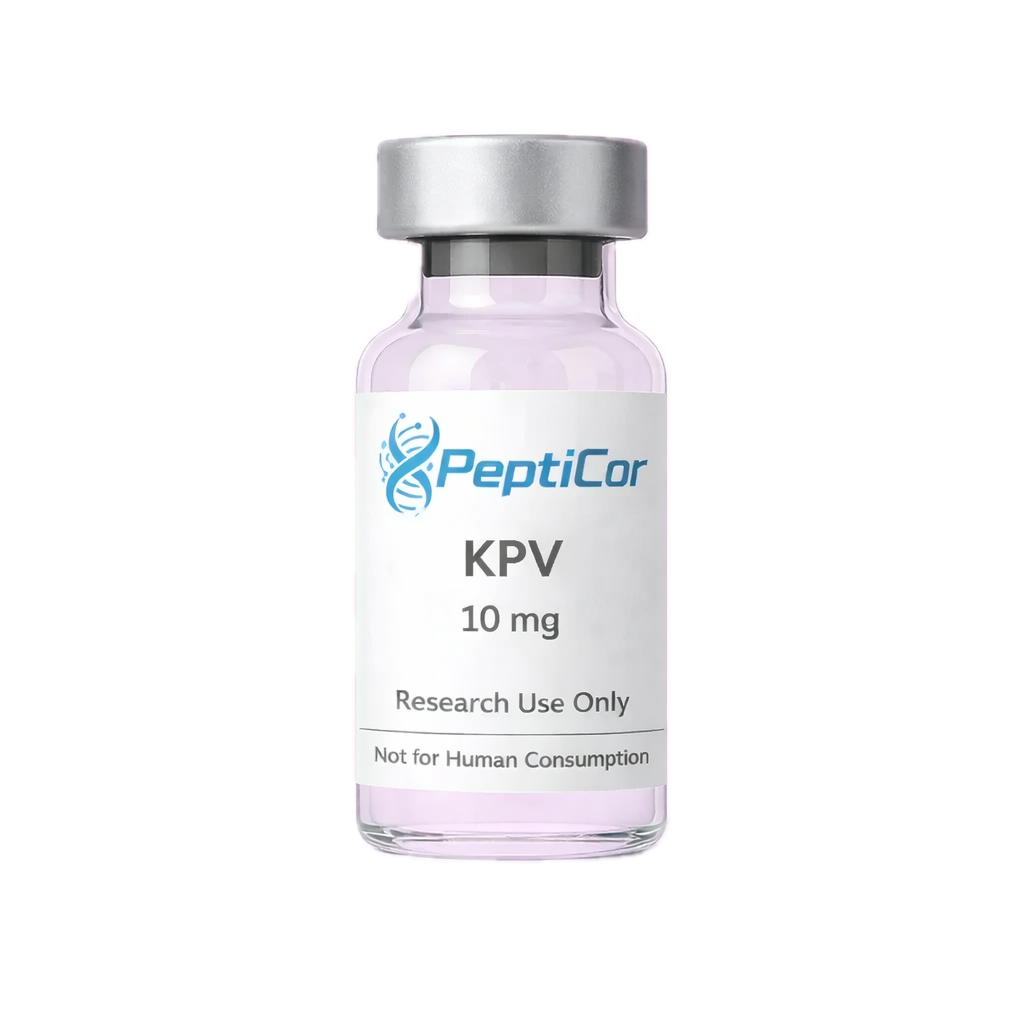
KPV
SKU P-KPV-1
$60.00
In stock
1
Product Details
Shipping: Please allow 7-14 days for delivery.
KPV is a naturally occurring tripeptide consisting of the amino acid sequence lysine-proline-valine, representing the C-terminal fragment of alpha-melanocyte stimulating hormone (α-MSH).(1) This three-amino acid peptide has been extensively studied for its potent anti-inflammatory and immunomodulatory properties across multiple tissue types and experimental models. KPV is distinguished by its small molecular size, which facilitates tissue penetration and cellular uptake, and its ability to modulate inflammatory responses through multiple mechanisms without the broad hormonal effects associated with the parent α-MSH molecule.
KPV is a synthetic peptide, produced via solid-phase peptide synthesis for research applications. Researchers consider KPV to be a selective anti-inflammatory agent with a unique profile of biological activities that extend across gastrointestinal, dermal, and systemic inflammatory conditions.(2) The peptide is posited to function through multiple mechanisms, including modulation of inflammatory signaling pathways, particularly the nuclear factor kappa B (NF-κB) pathway, influence on inflammatory cytokine production, and potential antimicrobial properties. Unlike many anti-inflammatory compounds that act through a single pathway, KPV demonstrates pleiotropic effects on inflammatory processes, making it particularly valuable for research into complex inflammatory conditions.
The mechanism by which KPV may potentially reduce inflammation appears to involve complex interactions with multiple cellular signaling systems. The peptide is considered to inhibit the NF-κB pathway, a master regulator of inflammatory gene expression, thereby reducing the production of pro-inflammatory cytokines such as tumor necrosis factor-alpha (TNF-α), interleukin-1β (IL-1β), and interleukin-6 (IL-6). Additionally, KPV may influence the activity of inflammatory enzymes and may modulate immune cell behavior. This action may result in reduced tissue inflammation, enhanced resolution of inflammatory processes, and improved tissue healing in various experimental models.
KPV's anti-inflammatory and protective properties are considered to extend across numerous tissue types and physiological systems, suggesting a fundamental role in inflammatory regulation and tissue homeostasis. The mechanism by which KPV may potentially modulate inflammatory responses appears to involve both direct effects on inflammatory signaling pathways and indirect effects through modulation of immune cell activity and cytokine networks. These alterations in inflammatory processes may impact various physiological parameters, which are considered to be critical factors in numerous biological processes related to tissue protection, immune regulation, wound healing, and maintenance of mucosal barrier integrity.
Chemical Makeup
Molecular Formula: C18H34N4O4
Molecular Weight: 370.49 g/mol
Sequence: Lys-Pro-Val (K-P-V)
Other Known Titles: Lysine-Proline-Valine, α-MSH(11-13), Alpha-MSH fragment
Research and Clinical Studies
KPV and Anti-Inflammatory Mechanisms
Research has been undertaken to evaluate the potential actions of KPV on inflammatory signaling pathways and cytokine production in various experimental models. One study aimed to assess the peptide's ability to modulate key inflammatory mediators, focusing on its potential to inhibit the nuclear factor kappa B (NF-κB) pathway, which serves as a central regulator of inflammatory gene expression.(3) More specifically, researchers posited that KPV may provide potent anti-inflammatory effects through multiple complementary mechanisms, including direct inhibition of inflammatory transcription factors and modulation of inflammatory enzyme activity.
The study suggests that KPV may reduce inflammatory responses in research models through selective modulation of inflammatory signaling cascades. It is posited that KPV may enter cells and interact with inflammatory signaling complexes, potentially preventing the activation and nuclear translocation of NF-κB. The peptide may also influence the production of pro-inflammatory cytokines including TNF-α, IL-1β, IL-6, and others that mediate inflammatory tissue damage. These activities suggest that the peptide might facilitate resolution of inflammatory processes while maintaining appropriate immune surveillance. The mechanism appears to involve both transcriptional regulation of inflammatory genes and post-transcriptional effects on inflammatory mediator production.
Moreover, it is mentioned that KPV has been studied in various contexts of inflammatory disease models and has been evaluated for its potential to reduce both acute and chronic inflammatory responses. The peptide's small size and ability to penetrate tissues and cells are considered particularly relevant for its anti-inflammatory applications, as many anti-inflammatory agents have limited tissue penetration. KPV may also demonstrate anti-inflammatory effects at relatively low concentrations compared to other anti-inflammatory peptides. Studies suggest that further research is needed to fully understand the peptide's mechanisms of action across different inflammatory conditions and its potential applicability in various inflammatory research contexts.
KPV and Inflammatory Bowel Disease
Studies have explored various mechanisms via which KPV may influence gastrointestinal inflammation and intestinal barrier function in experimental models of inflammatory bowel disease (IBD).(4) One proposed mechanism suggests that KPV may reduce intestinal inflammation through multiple pathways, including inhibition of inflammatory cytokine production in intestinal tissues, enhancement of intestinal barrier integrity, and modulation of immune cell activity in the gut-associated lymphoid tissue. The improvements in intestinal inflammation observed in research models in the presence of KPV may be mediated by reduced mucosal damage, decreased inflammatory cell infiltration, and improved healing of intestinal ulcerations.
The peptide's effects on intestinal inflammation appear to involve modulation of multiple aspects of gut immunology, particularly those relevant to maintaining intestinal homeostasis and resolving pathological inflammation. KPV may influence the expression of tight junction proteins that maintain intestinal barrier function, potentially reducing intestinal permeability that contributes to inflammation. Studies have investigated the peptide's potential to reduce inflammatory markers in both colonic tissue and systemically. The enhanced intestinal healing might contribute to improved gut function and reduced systemic inflammatory burden in research models.
Additionally, the peptide's ability to act locally in the gastrointestinal tract may be particularly relevant for treating intestinal inflammation, as oral or rectal administration could deliver KPV directly to inflamed tissues. By reducing local inflammatory mediator production, KPV might improve intestinal barrier function and promote mucosal healing. Furthermore, the possibility that KPV may influence the balance between pro-inflammatory and anti-inflammatory immune responses in gut tissue has been investigated. The modulation of these pathways might enhance both the speed and quality of intestinal healing in research models. Studies have also examined whether KPV might affect the gut microbiome or influence interactions between intestinal epithelial cells and commensal bacteria.
KPV and Wound Healing
Research has investigated the potential effects of KPV on wound healing processes and tissue repair mechanisms in various experimental models. Studies posit that KPV might influence wound healing through mechanisms related to its anti-inflammatory properties combined with potential effects on tissue remodeling and cellular migration.(5) Preliminary data tentatively suggests that KPV might potentially accelerate wound closure and affect the quality of healed tissue through modulation of inflammatory phases and enhancement of proliferative responses.
In elaborating on these pathways, successful wound healing requires a carefully orchestrated progression through inflammatory, proliferative, and remodeling phases. KPV's anti-inflammatory properties may be particularly beneficial during the inflammatory phase by preventing excessive inflammation that can impair healing. The peptide may also influence fibroblast activity and collagen deposition during the proliferative phase. Studies have suggested that KPV might affect keratinocyte migration and proliferation, processes critical for re-epithelialization of wounds in research models.
The mechanism by which KPV may affect wound healing appears to involve both reduction of excessive inflammation that impairs healing and potential enhancement of constructive repair processes. Research has indicated that chronic wounds often exhibit prolonged inflammatory phases with elevated levels of pro-inflammatory cytokines. KPV's ability to modulate these inflammatory mediators may help transition wounds from inflammatory to proliferative phases. The peptide may also influence angiogenesis, the formation of new blood vessels that support tissue repair. Some studies have investigated whether KPV might affect wound contraction or influence scar formation during tissue remodeling. These observations suggest that KPV may possibly play a role in wound healing optimization, although the precise mechanisms and optimal application strategies continue to be areas of active investigation.
KPV and Skin Inflammation
The peptide KPV may have significant roles in dermatological inflammation and skin barrier function, based on investigations into its effects on inflammatory skin conditions. It is thought that KPV might influence skin inflammation through multiple mechanisms, including modulation of inflammatory cytokine production in dermal and epidermal tissues, effects on immune cell activity in skin, and potential antimicrobial properties.(6) These processes are considered to potentially involve regulation of keratinocyte inflammatory responses, enhancement of skin barrier function, and modulation of mast cell activity.
Research has suggested that KPV might particularly contribute to reducing skin inflammation in various dermatological research models. Studies have indicated that KPV may possibly reduce inflammatory markers in skin tissue and may promote resolution of inflammatory skin lesions. The peptide may influence the production of antimicrobial peptides by keratinocytes, potentially providing both anti-inflammatory and antimicrobial benefits. Researchers consider these observations as potential indicators of KPV's role in maintaining skin health and resolving skin inflammation.
It is posited that by reducing inflammatory mediator production while potentially supporting skin barrier function, KPV might influence the skin's ability to maintain homeostasis during inflammatory challenges. This may involve optimization of immune responses to eliminate pathogens while minimizing collateral tissue damage, enhancement of epidermal barrier repair, and proper regulation of inflammatory cell recruitment. The peptide's potential effects on reducing pro-inflammatory cytokines while maintaining appropriate antimicrobial defenses may be particularly important for research examining inflammatory skin conditions. Some research has investigated whether KPV might affect conditions characterized by skin barrier dysfunction or might influence the inflammatory aspects of various dermatological conditions. Given the prevalence of inflammatory skin conditions, KPV's potential dermatological effects are of significant research interest. These potential effects on skin inflammation are still under investigation and hold promise for applications in various contexts of dermatological research.
KPV and Antimicrobial Properties
Studies have explored the potential antimicrobial effects of KPV against various pathogenic microorganisms. Research suggests that KPV may demonstrate antimicrobial activity through multiple mechanisms, potentially including direct effects on microbial membranes and modulation of host antimicrobial defenses.(7) One proposed mechanism involves the peptide's positive charge and structural characteristics that may interact with negatively charged bacterial membranes.
Investigations have indicated that KPV might potentially exhibit activity against certain bacterial strains and may influence biofilm formation in some experimental models. The peptide's effects appear to involve both direct antimicrobial mechanisms and potential enhancement of the host's innate immune antimicrobial responses. KPV may influence the production of endogenous antimicrobial peptides by epithelial cells, potentially enhancing local antimicrobial defenses. The peptide may also affect microbial adhesion to host tissues or influence microbial virulence factors.
The mechanism by which KPV may exert antimicrobial effects appears to involve interactions with microbial surfaces and potentially modulation of host-pathogen interactions. Research has indicated that some antimicrobial peptides function by disrupting microbial membrane integrity or interfering with essential microbial processes. Some studies have investigated whether KPV might have particular activity against specific types of pathogens or might affect antibiotic-resistant bacterial strains. These potential antimicrobial effects continue to be investigated, with researchers examining the spectrum of antimicrobial activity, mechanisms of action, and potential applications in infectious disease research.
KPV and Mast Cell Stabilization
Research has investigated the potential effects of KPV on mast cell activity and degranulation in experimental models. Studies posit that KPV might influence mast cell responses through mechanisms related to its effects on inflammatory signaling pathways and immune cell activation.(8) Preliminary data tentatively suggests that KPV might potentially reduce mast cell degranulation and affect the release of histamine and other mast cell mediators.
In elaborating on these pathways, mast cells play important roles in allergic responses, inflammation, and immune regulation through their release of various inflammatory mediators including histamine, tryptase, and cytokines. KPV's ability to modulate inflammatory signaling may influence mast cell activation thresholds and degranulation responses. The peptide may affect the signaling pathways that regulate mast cell degranulation or may influence the synthesis of mast cell mediators. Studies have suggested that KPV might reduce histamine release in some experimental models of mast cell activation.
The mechanism by which KPV may affect mast cell activity appears to involve modulation of the signaling pathways that trigger mast cell degranulation, though the precise molecular targets continue to be investigated. Research has indicated that mast cell stabilization can reduce various inflammatory and allergic responses. The peptide may also influence the inflammatory consequences of mast cell activation by reducing the effects of released mediators on surrounding tissues. Some studies have investigated whether KPV might have implications for conditions characterized by excessive mast cell activation or might affect tissue responses to mast cell mediators. These observations suggest that KPV may possibly influence mast cell-mediated inflammatory processes, although the precise mechanisms and magnitude of effects continue to be areas of active investigation.
KPV and Intestinal Barrier Function
Studies have explored the potential effects of KPV on intestinal epithelial barrier integrity and permeability in experimental models. Research suggests that KPV may influence intestinal barrier function through effects on tight junction proteins, epithelial cell viability, and inflammatory processes that affect barrier integrity.(9) One proposed mechanism involves the peptide's anti-inflammatory effects reducing inflammation-induced increases in intestinal permeability.
Investigations have indicated that KPV might potentially enhance intestinal barrier function by reducing inflammatory damage to epithelial tight junctions and supporting epithelial cell health. The peptide's effects appear to involve modulation of factors that regulate tight junction protein expression and localization, including potential effects on zonulin and other regulators of intestinal permeability. KPV may influence the expression of tight junction proteins such as occludin, claudins, and zona occludens proteins that form the structural basis of the intestinal barrier. The peptide may also affect epithelial cell survival under inflammatory conditions.
The mechanism by which KPV may affect intestinal barrier function appears to involve both reduction of inflammatory mediators that increase permeability and potential direct effects on epithelial cells and tight junction complexes. Research has indicated that increased intestinal permeability contributes to various inflammatory conditions by allowing passage of antigens and bacterial products that trigger immune responses. Some studies have investigated whether KPV might affect intestinal permeability in models of stress-induced barrier dysfunction or might influence the restoration of barrier function after inflammatory damage. These potential effects on intestinal barrier function continue to be investigated, with researchers examining the mechanisms by which KPV might support epithelial barrier integrity and the implications for gastrointestinal health research.
KPV and Colitis Models
Research has investigated the potential effects of KPV in various experimental models of colitis, examining its anti-inflammatory efficacy in chemically-induced and immune-mediated intestinal inflammation. Studies posit that KPV might reduce colitis severity through mechanisms related to suppression of intestinal inflammatory responses and protection of intestinal tissue from inflammatory damage.(10) Preliminary data tentatively suggests that KPV might potentially reduce colitis-associated parameters including weight loss, colon shortening, and histological damage scores.
In elaborating on these pathways, experimental colitis models are widely used to study inflammatory bowel diseases and test potential therapeutic agents. KPV's anti-inflammatory properties may be particularly relevant in these models where excessive inflammatory responses drive intestinal tissue damage. The peptide may reduce the infiltration of inflammatory immune cells into intestinal tissue and may decrease the production of tissue-damaging inflammatory mediators. Studies have suggested that KPV might affect various inflammatory cell types involved in colitis including neutrophils, macrophages, and T-cells in research models.
The mechanism by which KPV may reduce colitis severity appears to involve broad suppression of inflammatory pathways combined with potential protective effects on intestinal epithelium. Research has indicated that successful colitis management requires both reduction of inflammatory responses and protection or repair of damaged intestinal mucosa. The peptide may influence both acute inflammatory phases and chronic inflammatory processes in colitis models. Some studies have investigated whether KPV might affect the systemic manifestations of colitis or might influence the development of colitis-associated complications. These observations suggest that KPV may possibly have applications in inflammatory bowel disease research, although the precise therapeutic potential and mechanisms continue to be areas of active investigation.
KPV and Neuroprotection
Studies have explored the potential neuroprotective and anti-neuroinflammatory effects of KPV in various models of neurological inflammation. Research suggests that KPV may influence neuroinflammatory processes through reduction of inflammatory mediator production in neural tissue and modulation of microglial activity.(11) One proposed mechanism involves the peptide's ability to suppress NF-κB-mediated inflammatory gene expression in neural cells and immune cells within the central nervous system.
Investigations have indicated that KPV might potentially reduce neuroinflammation in experimental models of brain inflammation and may affect the activation state of microglia, the brain's resident immune cells. The peptide's effects appear to involve modulation of factors that regulate neuroinflammatory responses, including potential effects on pro-inflammatory cytokine production in neural tissue. KPV may influence the balance between pro-inflammatory M1 microglia and anti-inflammatory M2 microglia phenotypes. The peptide may also affect astrocyte inflammatory responses and neuronal survival under inflammatory conditions.
The mechanism by which KPV may exert neuroprotective effects appears to involve reduction of neuroinflammatory mediators that can cause secondary neuronal damage in various neurological conditions. Research has indicated that neuroinflammation contributes to the pathology of numerous neurological disorders and that controlling neuroinflammation may protect neural tissue. Some studies have investigated whether KPV might affect blood-brain barrier function or might influence the infiltration of peripheral immune cells into neural tissue during neuroinflammation. These potential neuroprotective effects continue to be investigated, with researchers examining the mechanisms by which KPV might modulate neuroinflammation and the implications for neurological research.
KPV and Oxidative Stress
Research has investigated the potential effects of KPV on oxidative stress and reactive oxygen species (ROS) production in various experimental models. Studies posit that KPV might influence oxidative stress through mechanisms related to modulation of inflammatory processes that generate ROS and potential direct or indirect antioxidant effects.(12) Preliminary data tentatively suggests that KPV might potentially reduce markers of oxidative stress and affect the balance between oxidative and antioxidant processes.
In elaborating on these pathways, oxidative stress results from an imbalance between ROS production and antioxidant defenses, and excessive oxidative stress contributes to tissue damage in numerous inflammatory and pathological conditions. KPV's anti-inflammatory effects may indirectly reduce oxidative stress by decreasing inflammatory processes that generate large amounts of ROS. The peptide may influence the activity of inflammatory cells such as neutrophils and macrophages that produce ROS as part of inflammatory responses. Studies have suggested that KPV might affect markers of lipid peroxidation, protein oxidation, and DNA damage in some research models.
The mechanism by which KPV may affect oxidative stress appears to involve primarily its anti-inflammatory effects, though potential direct effects on oxidative/antioxidant pathways continue to be investigated. Research has indicated that inflammation and oxidative stress are closely interconnected, with each process capable of amplifying the other. The peptide may influence the expression or activity of antioxidant enzymes or may affect cellular mechanisms that respond to oxidative damage. Some studies have investigated whether KPV might protect specific cell types from oxidative injury or might affect oxidative stress in particular tissues or conditions. These observations suggest that KPV may possibly influence oxidative stress parameters, although the mechanisms and significance of these effects continue to be areas of active research.
KPV and Mucosal Immunity
Studies have explored the potential effects of KPV on mucosal immune responses in gastrointestinal and respiratory tissues. Research suggests that KPV may influence mucosal immunity through modulation of inflammatory responses while maintaining appropriate antimicrobial defenses.(13) One proposed mechanism involves the peptide's ability to reduce excessive inflammatory responses that damage mucosal tissues while supporting protective immune functions.
Investigations have indicated that KPV might potentially affect the balance between tolerance and immunity at mucosal surfaces, reducing inappropriate inflammatory responses to commensal organisms while maintaining responses to pathogens. The peptide's effects appear to involve modulation of immune cell activity in mucosal-associated lymphoid tissues and effects on epithelial cell immune functions. KPV may influence the production of IgA, the primary antibody at mucosal surfaces, or may affect the development of regulatory immune cells that maintain mucosal tolerance. The peptide may also influence the interactions between epithelial cells, immune cells, and the microbiome at mucosal surfaces.
The mechanism by which KPV may affect mucosal immunity appears to involve complex modulation of immune signaling pathways that maintain the delicate balance between tolerance and protective immunity at mucosal barriers. Research has indicated that mucosal immune dysregulation contributes to various inflammatory conditions affecting the gut, airways, and other mucosal tissues. Some studies have investigated whether KPV might affect oral tolerance development or might influence mucosal immune responses to specific antigens. These potential effects on mucosal immunity continue to be investigated, with researchers examining the mechanisms by which KPV might modulate mucosal immune homeostasis and the implications for various mucosal inflammatory conditions.
KPV and Systemic Inflammation
Research has investigated the potential effects of KPV on systemic inflammatory markers and whole-body inflammatory responses in various experimental models. Studies posit that KPV might influence systemic inflammation through mechanisms related to reduction of circulating inflammatory cytokines and modulation of systemic immune activation.(14) Preliminary data tentatively suggests that KPV might potentially reduce plasma levels of pro-inflammatory mediators and affect systemic manifestations of inflammatory conditions.
In elaborating on these pathways, systemic inflammation involves elevation of inflammatory markers throughout the body and contributes to numerous pathological conditions including sepsis, metabolic syndrome, and chronic inflammatory diseases. KPV's anti-inflammatory properties may be relevant for systemic inflammation through multiple routes including direct effects when administered systemically and indirect effects through reduction of inflammatory mediators released from local tissue inflammation. The peptide may reduce plasma levels of inflammatory cytokines such as TNF-α, IL-6, and IL-1β that mediate systemic inflammatory responses. Studies have suggested that KPV might affect acute phase responses and systemic inflammatory cascades in some research models.
The mechanism by which KPV may affect systemic inflammation appears to involve modulation of inflammatory signaling pathways in various tissues and potential effects on circulating immune cells. Research has indicated that systemic inflammation can have widespread effects on multiple organ systems and metabolic processes. The peptide may influence the activation state of circulating monocytes and lymphocytes or may affect inflammatory mediator production by various tissues. Some studies have investigated whether KPV might have implications for conditions characterized by chronic low-grade systemic inflammation or might affect organ dysfunction associated with severe systemic inflammatory responses. These observations suggest that KPV may possibly have applications in systemic inflammation research, although the precise effects and mechanisms continue to be areas of active investigation.
KPV peptide is available for research and laboratory purposes only. Please review our Terms and Conditions before ordering.
Save this product for later
KPV